Essential Renting Guide: House Listings, Tips, and Tricks for Your Perfect Property
Managing the rental market can be a challenging task for many individuals. Understanding the intricacies of budgeting, lease agreements, and effective search strategies is essential. This guide offers essential tips and resources that can make the process more manageable. With the right knowledge, renters can feel more assured in their decisions. But what specific questions should one consider before signing a lease? The answer may catch you off guard.
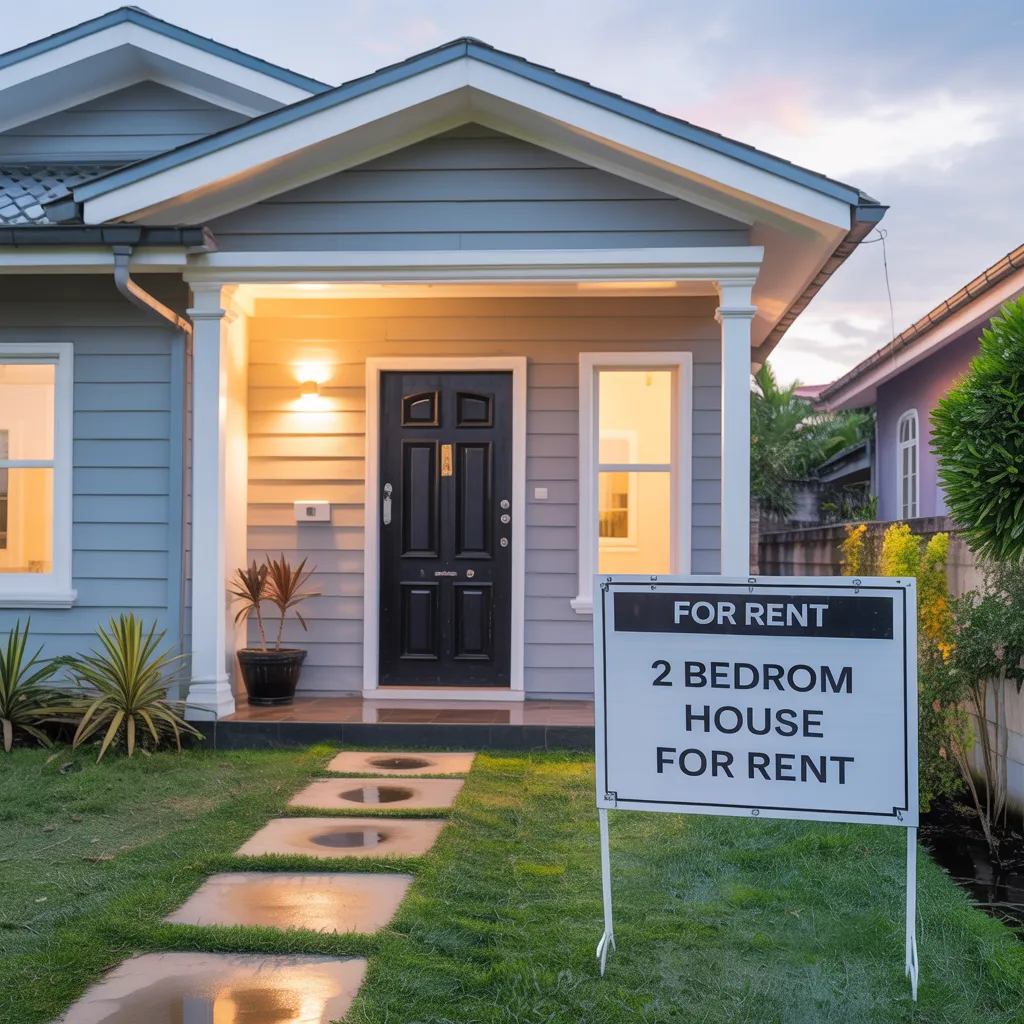
Establishing Your Budget: How to Calculate Your Rental Price Range
When determining a rental price range, individuals should initiate by analyzing their financial situation to define a realistic budget. This involves examining monthly income, existing expenses, and any savings reserved for housing. A generally recommended guideline is to spend no more than 30% of gross income on rent, guaranteeing that other financial responsibilities can be met without strain.
Following this, renters should evaluate additional costs connected to renting, such as energy expenses, maintenance fees, and renter's insurance. This thorough approach enables a more accurate assessment of what can be comfortably afforded.
Additionally, it is advisable to research the rental market in the target area, as prices can vary significantly based on area, size, and amenities. By obtaining this information, individuals can set a competitive yet feasible rental price range that aligns with their financial means, ultimately leading to a more fulfilling renting experience.
Understanding Lease Agreements: Important Factors to Keep in Mind
Grasping lease agreements is crucial for renters, as these documents define the rights and responsibilities of both parties involved. Renters should thoroughly examine key components, including the lease term, which specifies the period of the agreement. Rent amount and payment due dates are critical, as they determine financial obligations. Furthermore, renters must pay close attention to security deposit details, including amounts and conditions for its return.
A further vital aspect is the maintenance responsibilities, which specify who is liable for repairs. Renters should also be aware of any restrictions, such as pet policies or alterations to the property. Termination clauses are crucial, as they describe the conditions under which either party can end the lease. Lastly, understanding the consequences of lease violations can avert future disputes. By carefully analyzing and understanding these key points, tenants can ensure a more efficient leasing experience and safeguard their interests.
Effective Search Techniques for Locating Your Dream Rental Place
Finding the perfect rental home demands a strategic approach, as the appropriate methods can significantly improve the search process. To initiate, individuals should establish their budget and essential criteria, such as location, size, and amenities. Using online platforms and apps for real estate can simplify the search, allowing users to filter results based on their specifications.
Networking represents another powerful approach; family, friends, and workplace connections can share information on rental openings. Moreover, investigating local message boards and social media communities may discover untapped opportunities.
It is advisable to create a checklist to assess each prospective rental, making sure that all critical factors are evaluated. Scheduling visits during multiple times can also provide insight into the neighborhood's atmosphere. By using these strategies, future renters can explore the market more effectively, ultimately boosting their chances of finding a home that satisfies their needs.
What to Ask Before You Sign That Lease?
Before signing a lease, future renters should ask a set of important questions to guarantee they fully understand the terms and conditions of the rental agreement. They should inquire about the term of the lease and any penalties for early termination. Understanding the total monthly cost, including utility costs and maintenance fees, is essential. Prospective renters should also confirm the policy on security deposits: how much is required, and what conditions exist for its return.
Furthermore, it is important to ask about the property's policies regarding pets, guests, and renovations. Renters should seek information on who is accountable for repairs and maintenance, as well as the approach for resolving issues that may come up. Additionally, establishing the method for lease renewal or rent increases is essential. find guide By considering these questions, tenants can avoid potential conflicts and guarantee a positive rental experience.
Essential Resources for Rental Property Navigation
How can renters effectively navigate the complexities of the rental market? Utilizing the right resources is essential for a smooth experience. Web-based services including Zillow, Apartments.com, and Craigslist deliver wide-ranging listings, allowing renters to filter by cost, area, and features. Social media groups dedicated to local housing can also yield hidden gems and community insights.
Moreover, local rental agencies provide personalized help and knowledge of the rental market. Individuals seeking rentals can leverage apps like Rentometer to evaluate fair pricing based on neighborhood trends. Online platforms that focus on tenant rights, such as Nolo and the National Low Income Housing Coalition, supply vital legal information, allowing renters to make well-informed decisions.
Networking with friends and family can uncover leads and recommendations, while local community boards and bulletin boards often feature rental postings. By leveraging these resources, tenants can explore the market with increased assurance and simplicity.
Frequently Asked Questions
What Are the Standard Security Deposit Rules for Rentals?
Typical security deposit needs for rentals span one to two months' rent, depending on local regulations and property management guidelines. Some landlords could also demand additional deposits for pets or particular lease requirements.
How Should I Approach Rent Negotiation With Landlords?
Bargaining for rent prices with landlords often involves researching comparable rentals, presenting a fair offer, emphasizing long-term tenancy benefits, and maintaining open communication. Demonstrating trustworthiness and flexibility can result in favorable adjustments in rental agreements.
Are Pets Allowed in Most Rental Properties?
Most rental properties don't allow all pets; policies differ significantly. Landlords frequently impose restrictions or require additional deposits. Prospective tenants should ask about pet policies before applying to prevent unexpected difficulties.
What Should I Do if Maintenance Issues Arise?
When maintenance concerns develop, the tenant should swiftly contact the landlord or property management in writing, specifying the problem. It's crucial to follow up if repairs are not resolved within a reasonable timeframe.
Am I Allowed to Sublet My Rental Property?
Subleasing a rental unit usually necessitates the landlord's authorization. Tenants should review their lease agreement for specific terms and conditions regarding subletting, ensuring compliance to avoid potential penalties or eviction. Communication with the landlord is essential.